Wildflower Wonders: Designing Pollinator-Friendly Spaces for Biodiversity May 03, 2026
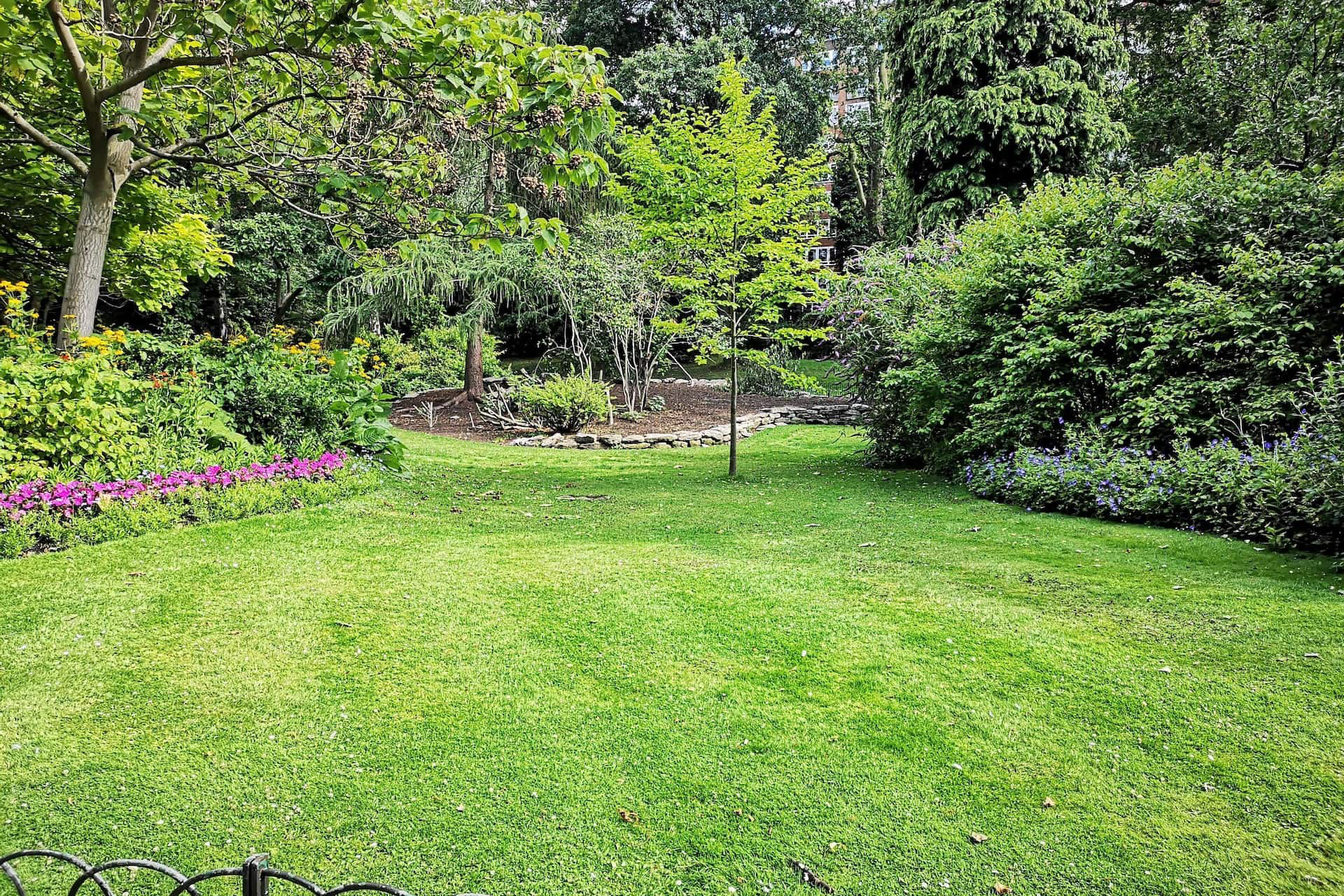
Getting started with a pollinator-friendly garden begins with selecting the right plants. Native wildflowers are an essential component as they are inherently supportive of local pollinators such as bees, butterflies, and hummingbirds. These plants have co-evolved with local species and provide the necessary nectar and pollen resources. Bluebell, butterfly weed, and goldenrod are excellent choices to start with. Larger patches of these flowers will attract more pollinators than small isolated plants, so plant in clusters for the best impact.
A well-designed pollinator habitat includes a diverse selection of plants that bloom across various seasons. Early spring crocus and late fall asters ensure a supply of nectar and pollen throughout the growing season. Diversity in plant height and color can also draw in a wider range of species, while grasses and shrubs offer additional shelter and nesting spaces. By offering these resources year-round, you create an inviting and sustainable environment for pollinators.
Incorporating hardscaping elements can enhance the functionality and aesthetic of your pollinator garden. Pathways made of natural materials like stone or brick not only add visual appeal but also facilitate water drainage and reduce soil compaction, providing healthier plant growth. Omarvelous Landscaping experts suggest using permeable materials that allow rainwater to seep back into the ground. This practice also helps maintain balanced soil moisture critical for the plants’ health.
To maximize your garden's pollinator-friendly potential, mindful maintenance is key. Instead of using chemical pesticides or herbicides, consider natural alternatives. Organic mulch can suppress weeds and retain soil moisture without harmful effects on bees and butterflies. Adopting sustainable practices like composting and rainwater harvesting also aligns with a diverse ecosystem's needs, ensuring your garden thrives with minimal environmental impact.
Creating a safe haven for pollinators isn’t just about selecting the right plants and adding hardscapes; it’s also about protecting these vital creatures from harm. Educate yourself on the specific needs of native pollinator species in your area. Implementing bee hotels and butterfly puddling stations can provide essential resting spots and challenge conventional gardening ideas.
A vibrant garden full of buzzing pollinators does more than benefit the environment. It creates a tranquil space that enhances your property’s curb appeal and provides a personal sanctuary of natural wonders for relaxation and observation. The melodic hum of bees, the gentle flitting of butterflies, and the colorful blossoms are daily rewards for your commitment to biodiversity.
The importance of designing pollinator-friendly spaces cannot be overstated. At Omarvelous Landscaping, we believe that even small contributions to biodiversity can lead to remarkable changes in our environment. By transforming your garden into a pollinator paradise, you’re not just investing in your property but also in the health and vitality of the planet.
Engage with us today to explore more about our landscaping services that merge ecological value with stunning aesthetics. Let’s work together to turn your garden into both a haven of wildlife and a testament to the beauty of nature’s balances.
/filters:no_upscale()/filters:format(webp)/media/24cff8cc-7db4-4c94-9854-b14baf836f7b.jpg)
/filters:no_upscale()/filters:format(webp)/media/f0f4bfbe-3020-43f5-a08d-5f4230ee55bc.jpeg)