Outdoor Illusions: Creating Depth and Dimension with Strategic Planting May 14, 2026
To get started, the first step is to consider your space. Think about the dimensions of your garden and how you can manipulate them to create various layers and textures. The illusion of depth can be as impactful in a smaller courtyard as it is in a sprawling backyard. Begin by analyzing the sunlight patterns throughout the day and the existing elements in your yard, like trees, fences, and paths.
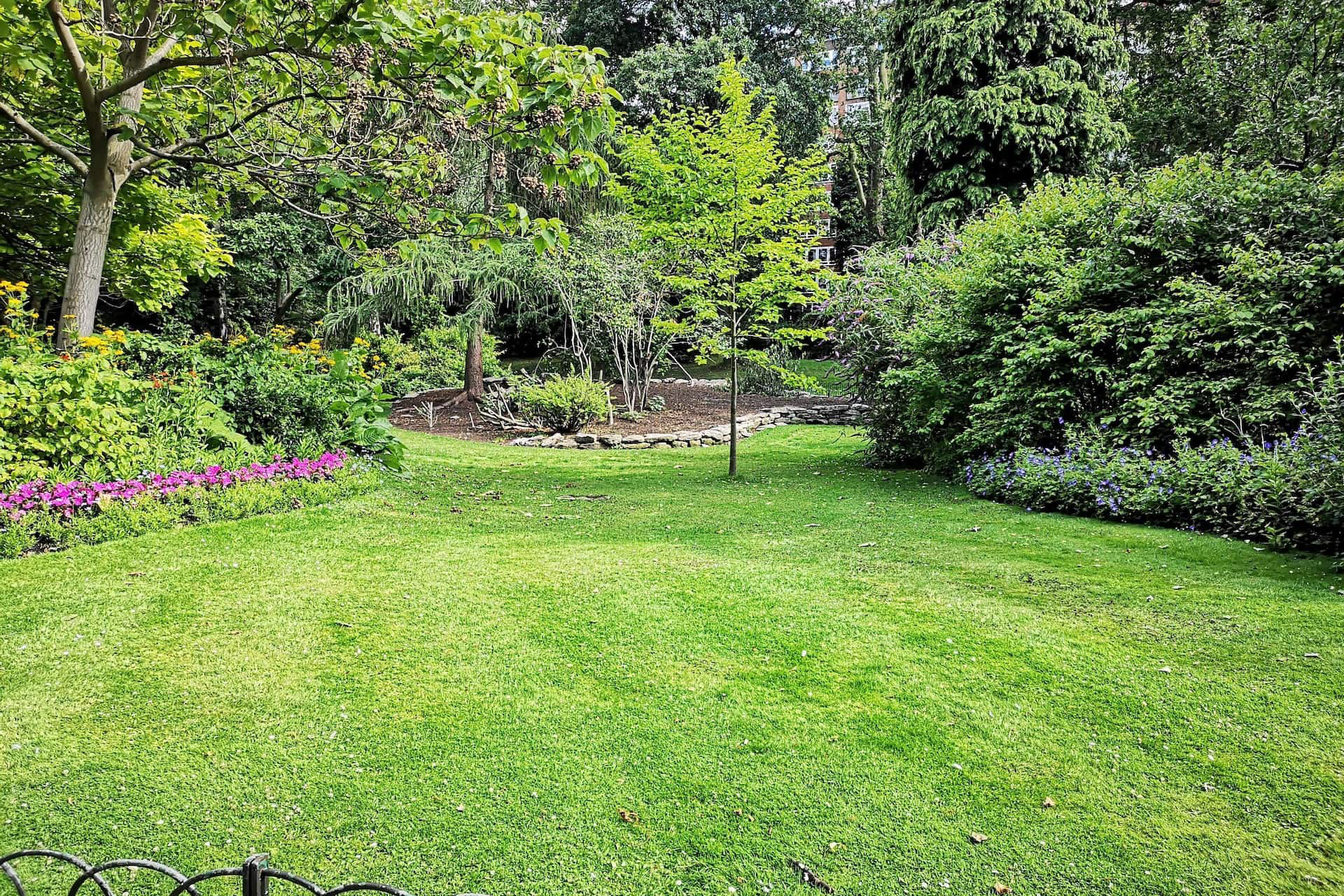
When planning your layout, consider incorporating a variety of plant shapes and sizes. Tall plants, like ornamental grasses or columnar trees, can create vertical interest and help draw the gaze skyward, giving the illusion of height. In contrast, ground cover plants can provide a lush carpet effect, inviting exploration and enhancing the sense of depth. Balancing these aspects is crucial for creating a harmonious feel.
Color is another powerful tool. Warm colors such as red, orange, and yellow tend to bring elements forward, making your space appear more intimate. Conversely, cool colors like blues, purples, and greens can recede into the background, adding to the perception of depth. Mixing these in a strategic manner can sculpt the visual terrain of your garden, crafting focal points and retreats.
Layering plants in tiers is particularly effective. Start with taller plants at the back of a border, then follow with mid-sized species, finishing with low-growing options. This technique, akin to staging a theatre set, allows each plant to play its part without overshadowing the others. It also ensures that every plant is visible, maximizing the impact of your efforts.
Don’t forget about texture, which can significantly enhance the complexity and interest of your garden. Mixing different leaf shapes and textures can prevent a monotonous look and add extra visual layers. The interplay between smooth, waxy leaves and fluffy, feathery foliage can make the garden feel more engaging.
Incorporating hardscaping elements like garden paths, retaining walls, or stone features can further enhance the three-dimensionality of your space. These elements not only provide structure and definition but also serve as inviting walkways that guide visitors through the garden, adding to the sensory experience.
Finally, maintain your new landscape by considering the growth habits of the plants you choose. Regular pruning and trimming can keep plants from becoming overcrowded or losing their intended shape and impact.
Creating the illusion of depth and dimension takes a mindful mix of art and science. By meticulously planning your space and leveraging nature’s bounty, you can craft a garden that offers year-round appeal. Omarvelous Landscaping is here to help you every step of the way, providing expert advice and services to bring your vision to life. Whether you're rejuvenating an old plot or starting from scratch, these techniques will ensure your outdoor space is not just lovely, but a true masterpiece in landscape design.
/filters:no_upscale()/filters:format(webp)/media/24cff8cc-7db4-4c94-9854-b14baf836f7b.jpg)
/filters:no_upscale()/filters:format(webp)/media/f0f4bfbe-3020-43f5-a08d-5f4230ee55bc.jpeg)