Crafting Sustainable Elegance: Eco-Friendly Solutions for Modern Landscapes Apr 30, 2026
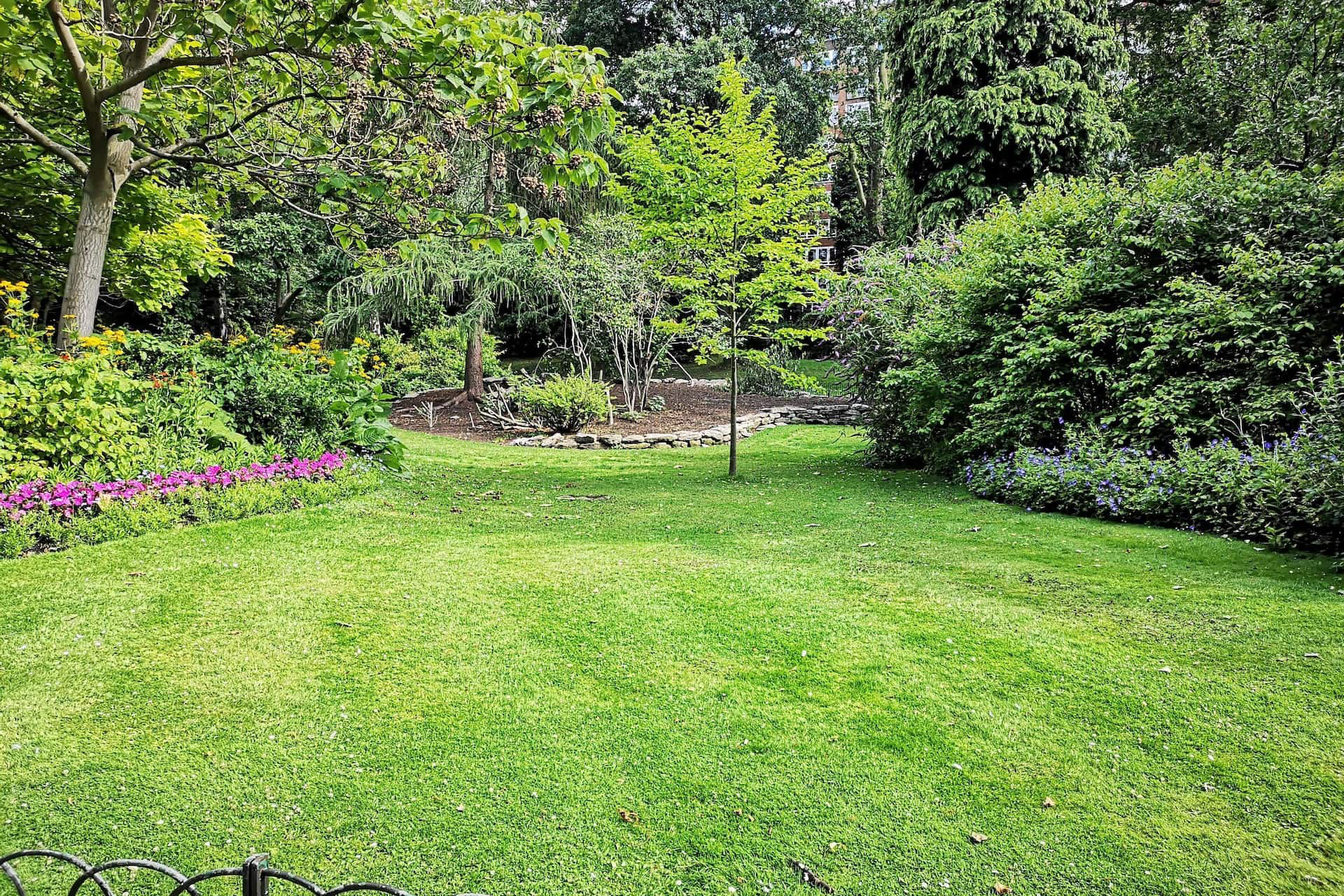
Sustainable landscaping begins with intelligent design. Consider the natural characteristics of your property, such as climate, soil type, and native vegetation. By aligning with these conditions, you can create a more resilient and low-maintenance garden. Native plants are particularly advantageous as they are already adapted to local conditions and require less water and fertilization. Additionally, they support local wildlife, contributing to a healthy ecosystem.
Water conservation is a crucial element in sustainable landscaping. Implementing a rainwater harvesting system can significantly reduce the reliance on municipal water supplies. Simple methods like installing rain barrels can collect runoff from rooftops, which can then be used for watering plants. Alternatively, consider the installation of a sophisticated drip irrigation system. These systems deliver water directly to the roots, reducing evaporation and runoff. Always ensure that your irrigation approach is efficient to conserve as much water as possible.
Composting is another key practice for an eco-friendly landscape design. By composting organic waste, you create a nutrient-rich amendment that can enhance soil structure, improve water retention, and reduce the need for chemical fertilizers. Composting not only recycles yard and kitchen waste but also reduces methane emissions from landfills.
Hardscaping, or the incorporation of non-plant elements in your garden, also plays a pivotal role in sustainable landscape design. The use of permeable materials for pathways and patios allows rainwater to filter through the ground, reducing runoff and erosion. At Omarvelous Landscaping, we recommend materials like gravel, recycled stone, or sustainable wood options. Not only do they serve practical purposes, but they also add aesthetic value to your outdoor spaces.
Creating a landscape that supports biodiversity can transform your garden into a haven for pollinators such as bees, butterflies, and birds. Integrate a variety of plants that bloom at different times of the year to ensure a continuous source of food for these creatures. The use of organic mulch can also enhance biodiversity by providing a habitat for beneficial insects.
The process of crafting a sustainable landscape is dynamic and requires regular assessment and adaptation. As seasons change, your landscape's needs will also evolve. Regularly evaluating your garden's performance will help you identify areas for improvement and ensure that your sustainable practices are effective.
Omarvelous Landscaping is committed to helping you achieve a sustainable and elegant landscape. Our team of experts is equipped with the knowledge and tools to transform your garden into an environmentally-friendly masterpiece that meets modern aesthetic standards. We believe that by fostering a closer connection to nature, we can enjoy more beautiful, productive, and sustainable gardens.
By implementing eco-friendly solutions, you not only reduce your environmental footprint but also enhance your outdoor living space. Sustainable landscaping enriches your surroundings while contributing to the well-being of the planet. Let Omarvelous Landscaping guide you on this journey towards creating an elegant and sustainable outdoor oasis.
/filters:no_upscale()/filters:format(webp)/media/24cff8cc-7db4-4c94-9854-b14baf836f7b.jpg)
/filters:no_upscale()/filters:format(webp)/media/f0f4bfbe-3020-43f5-a08d-5f4230ee55bc.jpeg)