Adaptive Landscapes: Customizing Designs for Changing Climates and Environments Dec 27, 2025
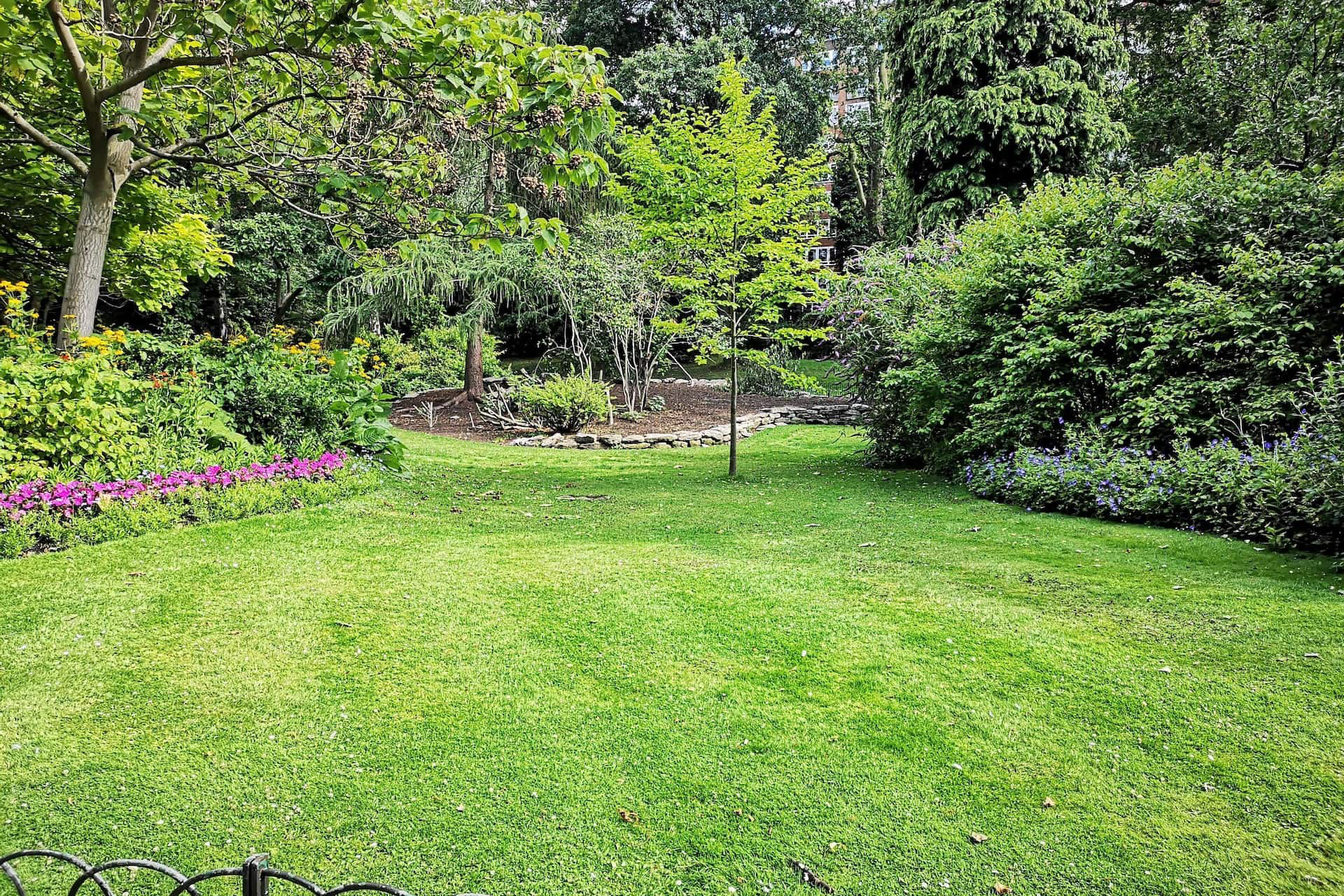
Adaptive landscaping involves designing landscapes that respond to and withstand changes in climate and environmental conditions. This approach requires a strategic selection of plants, materials, and design elements that are suited to the specific climate and microclimatic conditions of a property. The goal is not just to create aesthetically pleasing environments, but also sustainable ones that require less maintenance and use resources more efficiently.
One of the key aspects of adaptive landscaping at Omarvelous Landscaping is the prioritization of native plants. Native plants are a practical choice because they are naturally adapted to the local climate and soil conditions, making them more drought-resistant and less prone to pest problems. This not only reduces the need for frequent watering and chemical treatments but also supports local biodiversity by providing habitat for pollinators and other wildlife.
In addition to plant selection, water management plays a crucial role in adaptive landscapes. With water becoming an increasingly scarce resource, implementing efficient irrigation systems is vital. Omarvelous Landscaping incorporates smart irrigation technologies, such as drip irrigation and rain sensors, to ensure optimal water usage. By capturing and reusing rainwater, these systems help maintain lush landscapes while significantly reducing water waste.
Hardscaping elements are also essential in crafting an adaptive landscape. The use of permeable materials for pathways and patios allows rainwater to seep into the ground, reducing runoff and helping to replenish groundwater supplies. Additionally, strategically placed hardscapes like retaining walls can help manage erosion and provide windbreaks, offering further protection for delicate plantings.
Microclimates, which are small areas with specific climate characteristics, are another important consideration in adaptive landscape design. Omarvelous Landscaping evaluates the microclimates within your property to select the most appropriate plants and landscape features. For instance, south-facing slopes may experience more sun and heat, requiring drought-tolerant species, while shaded areas under large trees may create cooler, moister conditions suitable for shade-loving plants.
As weather extremes become more common, resilient designs become increasingly important. At Omarvelous Landscaping, we design landscapes that are equipped to handle unpredictable weather events, such as heavy rains or prolonged dry spells. This may include reinforcing slopes, creating drainage systems, or incorporating wind-resistant plants and structures.
In conclusion, as our climate continues to change, the way we approach landscaping must also evolve. Adaptive landscapes provide a solution that is both beautiful and practical, ensuring your outdoor space thrives despite environmental challenges. Omarvelous Landscaping prioritizes sustainability, resource efficiency, and local biodiversity, offering you a landscape that is not only stunning but also resilient. Embrace the future of landscaping with designs tailored to endure and flourish in our changing world. Whether you're considering a complete landscape transformation or simply wish to enhance your current space, our experienced team is ready to guide you in creating a sustainable and adaptive outdoor environment.
/filters:no_upscale()/filters:format(webp)/media/24cff8cc-7db4-4c94-9854-b14baf836f7b.jpg)
/filters:no_upscale()/filters:format(webp)/media/f0f4bfbe-3020-43f5-a08d-5f4230ee55bc.jpeg)